Tabletop Fire Pits and the Flame Jetting Crisis: What Every Consumer Needs to Know
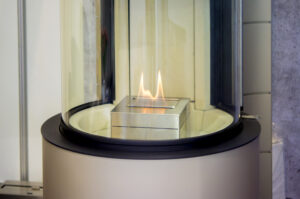
A small ceramic bowl sits on a coffee table. A soft blue flame flickers above it. Someone reaches for the bottle of alcohol fuel to top it off, and in less than a second, the entire room changes. That is the story behind a growing number of burn injuries across the country, and it is the story behind a wave of recalls and federal warnings that should have every consumer paying close attention.
Tabletop fire pits were sold as cozy lifestyle accessories. In thousands of homes, they have become the source of severe burns, emergency room visits, and lawsuits.
What a Tabletop Fire Pit Actually Is
These devices are compact, decorative fire features built to sit on a tabletop, counter, or shelf. Most of them burn liquid fuel, usually isopropyl alcohol, ethanol, or bioethanol, poured straight into an open metal cup or ceramic bowl. Once it is lit, the pooled fuel burns with a soft flame meant to look like a tiny fireplace.
Retailers pitched these products as ambiance pieces for date nights, dinner parties, dorm rooms, and patios. Some are even marketed as indoor “s’mores makers” for kids. The advertising suggests something safe and charming. The engineering tells a much darker story.
The Hidden Defect: Flame Jetting Explained
The danger driving these recalls has a name. It is called flame jetting, and it happens when liquid fuel vapors ignite in a sudden, explosive rush. The result is a high-pressure jet of fire that shoots outward, often racing right back into the fuel bottle the user is holding.
Three design problems make flame jetting almost inevitable in alcohol-burning tabletop fire pits.
- The flame is nearly invisible in daylight or under bright indoor lighting, so people pour more fuel thinking the fire is out.
- The fuel reservoir is open and shallow, which lets vapors drift and pool around the device.
- There is rarely a flame arrestor or any real engineering safeguard to stop ignition from traveling back into a bottle.
When someone tops off the bowl believing the flame has gone out, the vapors light, the fuel bottle becomes a torch, and burning alcohol sprays across whoever happens to be nearby. The flash temperatures involved can climb high enough to cause third-degree burns in a fraction of a second.
The Major Tabletop Fire Pit Recalls
A long string of recent recalls and warnings has confirmed what burn surgeons and fire investigators already suspected. This entire product category has a serious design problem.
Colsen tabletop fire pits. Roughly 89,500 to 90,000 Colsen units were pulled from the market after dozens of incidents and at least 19 confirmed burn injuries. Reports describe flames erupting outward during refueling, with victims suffering severe burns to the face, arms, and torso.
FLIKRFIRE tabletop fireplaces. Federal regulators urged consumers to stop using and dispose of FLIKRFIRE units after documenting incidents involving uncontrolled pool fires and flame jetting. The agency emphasized that these devices violate voluntary safety standard ASTM F3363-19, which is meant to prevent exactly these outcomes.
Five Below tabletop fire pits. The discount chain recalled about 66,000 units across multiple model variants after determining that alcohol fuel could leak or splash from the burner cup, ignite, and produce flames that escaped the unit entirely. Although no injuries were reported at the time of the recall, there was at least one report of flames escaping from a fire pit.
Rozato tabletop fire pits. A more recent regulatory warning targeted Rozato-branded units, which have been linked to at least one death and additional severe burn cases tied to the same flame jetting and pool-fire hazards. Regulators urged consumers to stop using and dispose of these products immediately.
Plaintiff firms tracking these cases now estimate that well over 100,000 alcohol-burning tabletop fire pits sold through major retailers and online marketplaces share the same fundamental defect.
The CPSC’s Sweeping Warning
The U.S. Consumer Product Safety Commission has gone beyond recalling individual brands. In a broad consumer alert, the agency told the public to stop using and dispose of any fire pit that requires pouring isopropyl alcohol or other liquid fuel into an open bowl or container that is then ignited in place.
The agency cited a voluntary safety standard known as ASTM F3363-19, which was developed specifically to address pool fires and flame jetting in unvented liquid fuel decorative appliances. Devices that fail this standard, the CPSC said, should not be on store shelves at all. Online marketplaces, big box stores, and discount retailers were urged to halt sales of any product fitting that description.
The same alert flagged a separate hazard involving certain wood-burning fire pits with storage shelves directly beneath the fire bowl, where stored fuel or other materials can catch fire and turn the entire unit into a much larger blaze.
Where These Products Were Sold
Knowing where a product was sold matters, both for consumers checking their own homes and for injury victims building a legal case. Recalled and warned-against tabletop fire pits have been distributed through:
- Amazon and other major online marketplaces, often under generic or rotating brand names
- Five Below stores nationwide, packaged as gift-style tabletop fire pits
- Boutique home goods retailers and lifestyle gift shops
- Specialty outdoor living and patio retailers
- Direct-to-consumer brand websites with heavy social media advertising
Because many of these units were rebranded or relabeled across multiple sellers, two visually identical fire pits may carry different names. That makes packaging, receipts, and order histories especially important when investigating a claim.
The Human Cost of These Products
The injuries caused by these products are not minor. Emergency rooms and burn centers have reported a recurring pattern consistent with the serious burns described in recall and warning notices.
- Deep burns to the face, neck, hands, and torso
- Burn coverage exceeding 30 percent of total body surface area in serious cases
- Multiple skin graft surgeries and weeks of inpatient burn unit care
- Permanent scarring, contractures, and limitations in mobility
- Long-term psychological effects, including PTSD and anxiety around open flames
- Lost income, lost careers, and major disruptions to family life
Many of the people hurt by these devices are bystanders rather than the person holding the fuel bottle. A guest at a dinner party, a teenager helping host friends, or a child sitting nearby can all be in the path of a flame jet without any warning.
Are You Still at Risk? A Quick Self-Check
Even if your specific tabletop fire pit has not been recalled, it may still carry the same defect. Ask yourself a few questions.
- Does it require pouring liquid alcohol or bioethanol directly into an open cup or bowl?
- Is the flame difficult to see, especially during the day or under bright lights?
- Does it lack any visible flame arrestor or sealed fuel system?
- Was it marketed for indoor or tabletop use as a decorative item or as a “s’mores maker”?
If the answer is yes to any of these, regulators recommend you stop using it right away and dispose of it, regardless of whether the brand has been formally recalled.
What to Do After a Tabletop Fire Pit Injury
When one of these devices causes a burn, the steps you take in the first few days can shape both your medical outcome and your legal options.
- Get medical care immediately, even for burns that initially look minor.
- Preserve the fire pit, the fuel bottle, packaging, manuals, and any debris from the scene.
- Take photographs of the device, the location, and your injuries as they progress.
- Save proof of purchase, including receipts, order confirmations, credit card statements, or shipping records.
- Write down what happened while it is still fresh, including who was present, what the flame looked like, and how the injury occurred.
- Avoid giving recorded statements to manufacturers or insurance companies before talking to a lawyer.
Your Legal Rights as a Burn Victim
Tabletop fire pit injuries often support strong product liability claims. Depending on the facts, victims and their families may pursue compensation under several theories.
- Defective design. The product was unreasonably dangerous as engineered, even when used the way it was intended to be used.
- Failure to warn. The instructions and labels did not adequately convey the risk of invisible flames and refueling-related flame jetting.
- Manufacturing defect. A specific unit had a flaw that made it even more dangerous than the rest of its production run.
- Negligent marketing. The product was promoted for uses, such as indoors, around children, or near guests, that magnified the danger.
- Breach of warranty. The product failed to live up to express or implied promises about its safety and fitness for use.
Damages in these cases can include past and future medical expenses, rehabilitation costs, lost wages, reduced earning capacity, pain and suffering, disfigurement, emotional distress, and in fatal incidents, wrongful death damages for surviving family members.
Why Experienced Counsel Matters
Manufacturers facing burn lawsuits almost always argue that the user was at fault. They will say the person refilled too soon, used the wrong fuel, or ignored a warning buried somewhere in a manual. A skilled product liability lawyer can push back with evidence about how the product actually behaves, how its competitors handle the same risk, and how regulators have repeatedly flagged the design.
A capable legal team will usually do the following:
- Secure and preserve the recalled product and any related evidence
- Retain fire science, materials, and human factors experts to explain the failure
- Trace the supply chain to identify every responsible party, from overseas manufacturer to local retailer
- Quantify the full long-term cost of burn recovery, including future surgeries
- Negotiate aggressively with insurance companies, and try the case if a fair settlement is not offered
FAQs
What Should You Do After a Tabletop Fire Pit Injury?
If a tabletop fire pit caused a burn injury in your home, the steps you take right away can affect both your medical recovery and your ability to prove what happened. Federal regulators have warned that these products can cause sudden flame jetting, pooled-fuel fires, and severe burns.
What should I do first after a tabletop fire pit burn?
Get medical care immediately, even if the burn does not seem severe at first. Alcohol-fueled tabletop fire pits can produce very high-temperature flames, and regulators have warned that these products are associated with severe burn injuries and deaths.
Should I throw the fire pit away after the accident?
No. Keep the fire pit, fuel bottle, packaging, instructions, and any damaged clothing or debris if it is safe to do so. The product itself may be important evidence, especially in cases involving flame jetting, escaped flames, or pooled-fuel ignition.
What photos should I take?
Take photos of the fire pit, the fuel container, the area where the incident happened, and your injuries over time. That documentation can help show how the event occurred and how serious the burns became.
What if I bought the fire pit on Amazon or cannot remember the brand?
Save your order history, receipts, shipping confirmations, bank or credit card records, and screenshots of the listing if you can still find it. The danger extends across a broader category of alcohol-burning tabletop fire pits, not just one brand.
Should I stop using the product even if it has not been recalled?
Yes. If it requires you to pour alcohol or similar liquid fuel into an open bowl or container and ignite it there, safety regulators say consumers should stop using and dispose of those products because they present pool-fire and flame-jetting hazards.
Should I talk to the manufacturer or its insurance company?
Be careful. Companies often start gathering information quickly after a serious product incident, but you should understand your rights before giving a recorded statement or accepting any quick resolution.
What if a child, guest, or bystander was the one injured?
You may still have a strong claim. Flame jetting and fire spread can project flames and burning liquid onto nearby consumers or bystanders, not just the person handling the fuel.
Can I still have a case if I was refilling the fire pit when it happened?
Possibly, yes. Refueling is a key danger point because small flames can be hard to see and can ignite vapors while more fuel is being poured, causing flame jetting from the fuel container.
What compensation may be available after a serious burn injury?
That depends on the facts, but burn injury claims often involve medical expenses, future treatment, lost income, pain and suffering, permanent scarring, and other long-term losses.
The Bottom Line
Tabletop fire pits were sold as quiet luxuries. For too many families, they have become the source of life-altering injuries, mounting hospital bills, and grief that lasts long after the flames go out. Recalls covering Colsen, FLIKRFIRE, Five Below, Rozato, and other brands, combined with sweeping federal warnings, make clear that this is not a story about a few isolated accidents. It is a story about a flawed product category that should never have been marketed the way it was.
If you or someone you love has been hurt by a tabletop fire pit, you have options. Acting quickly protects your health, your evidence, and your right to be made whole.
Contact Searcy Mass Tort
If you or someone you know has been injured by one of these products, contact Searcy Mass Tort at calvinw@searcylaw.com.
Share This