I-95 Named the Deadliest Road in America: What Florida Truck Crash Victims Should Know
What the Study Found
The fatality data drawn from roughly two decades of federal crash records, summarized in early May 2026 by WPTV West Palm Beach, confirms that I-95 leads every other roadway in the country in total annual deaths. Key findings from the analysis include:
- Approximately 284 people are killed on I-95 each year, more than on any other U.S. road.
- The corridor stretches 1,925 miles between Miami and the Maine–Canada border, producing a fatality rate of nearly 15 deaths per 100 miles, the highest in the nation.
- I-95 is the deadliest highway in four states: South Carolina, North Carolina, Connecticut, and Rhode Island. South Carolina alone reports about 30 I-95 deaths per year.
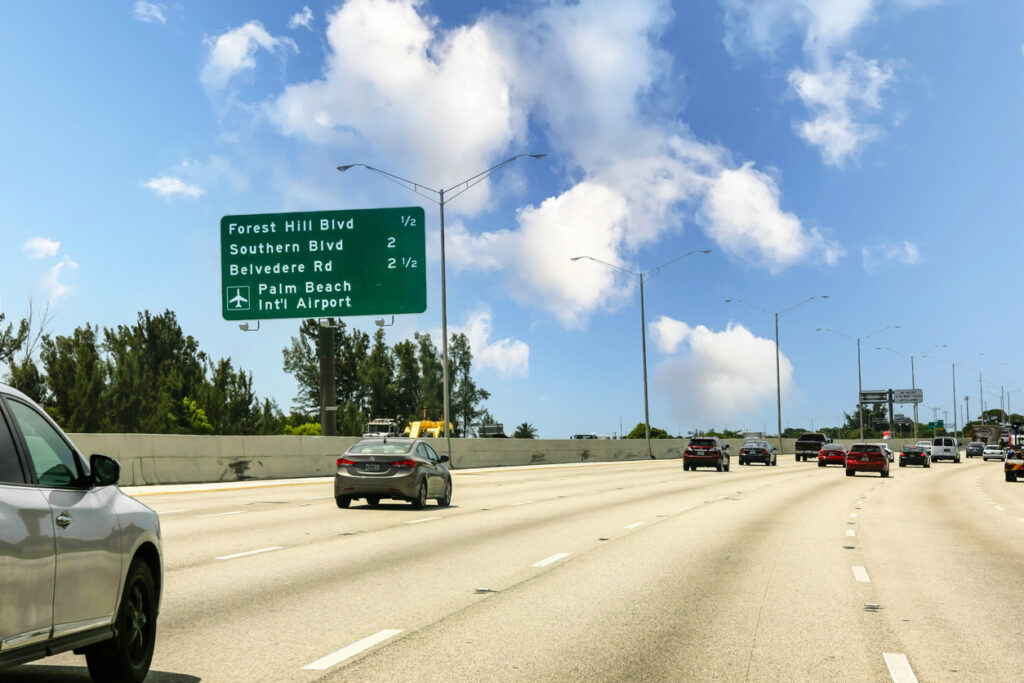
- A separate analysis covered by CBS News Miami identified the single deadliest mile of road in the United States on I-95 in Broward County, between the I-595 split and the Marina Mile Boulevard exit. Twenty-four people died in that one-mile stretch between 2000 and 2019.
Why Commercial Trucks Drive Up the Death Toll
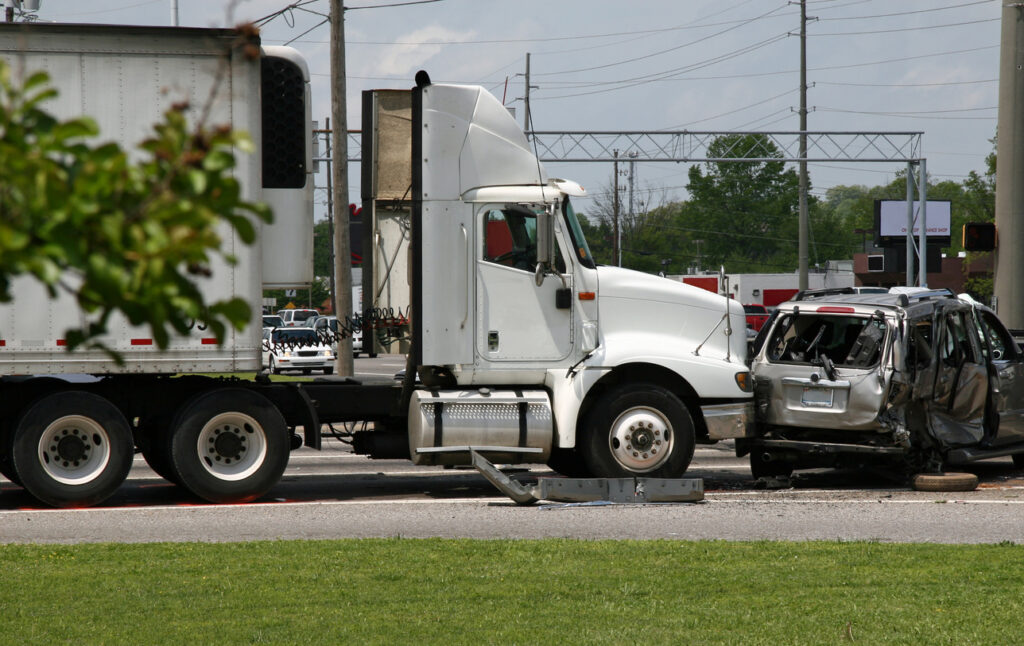
In two-vehicle crashes between a large truck and a passenger car, occupants of the smaller vehicle account for roughly 97 percent of the fatalities.
National data from the Insurance Institute for Highway Safety helps explain why commercial vehicles are overrepresented in serious I-95 crashes. According to the most recent IIHS figures, large trucks were involved in collisions that killed 4,354 people in 2023. Roughly two-thirds of those killed were riding in passenger vehicles. Only about one in six was inside the truck. In two-vehicle collisions between a tractor-trailer and a passenger car, approximately 97 percent of the resulting fatalities are passenger-vehicle occupants. Tractor-trailers account for nearly three-quarters of large-truck deaths, and roughly one-third of large-truck fatalities occur on interstates and freeways.
The reason is straightforward physics. A loaded combination tractor-trailer can weigh up to 80,000 pounds. A typical passenger car weighs about 4,000. Trucks routinely outweigh the cars they share the road with by a factor of 20 to 30 and ride higher off the ground, which contributes to underride collisions in which a passenger vehicle slides beneath the trailer. Loaded trucks also require substantially more distance to come to a stop than passenger cars, and that gap widens on wet pavement or with poorly maintained brakes.
On a corridor like I-95, where traffic compresses without warning around urban interchanges, those stopping distances translate directly into fatalities.
Injured in a tractor-trailer crash?
Email warrinerteam@searcylaw.com or call (561) 686-6300. Initial consultations are free.
Florida by the Numbers
Florida consistently ranks among the top three states for fatal commercial truck crashes, behind only Texas and California. Statewide totals show more than 3,000 deadly crashes per year. Nationally, the FMCSA crash data overview reports that crashes involving large trucks rose roughly 12 percent between 2020 and 2023, ending that period with more than 5,000 truck-related deaths in nearly 400,000 crashes.
Within Florida, four corridors dominate the serious-injury and fatal-truck-crash data: I-95 along the east coast, I-75 from the Tampa Bay area south through Naples, the Florida Turnpike, and I-4 between Tampa and Daytona. Each is a primary freight artery, and each is consistently flagged as a hot spot for collisions by the FLHSMV.
The Fort Lauderdale stretch where I-95 meets I-595 and Marina Mile Boulevard sits adjacent to Port Everglades, the Fort Lauderdale–Hollywood International Airport, and a dense network of warehousing and logistics facilities. The constant flow of commercial freight traffic through tight merging zones is a core reason that single mile became the deadliest in the United States.
Common Causes of I-95 Truck Crashes

Brake problems remain among the most frequently identified contributing factors in fatal large-truck crashes.
The federal Large Truck Crash Causation Study catalogs the most common contributing factors in fatal commercial-vehicle crashes:
- Brake problems and inadequate maintenance.
- Sudden traffic-flow interruption, a frequent condition on congested I-95 segments.
- Speeding and traveling too fast for conditions, identified by the FMCSA crash data overview as the single most common driver-related factor in fatal large-truck crashes.
- Driver fatigue and hours-of-service violations.
- Inadequate surveillance, including failure to check blind spots and mirrors.
- Prescription and over-the-counter drug use.
- Driver unfamiliarity with the roadway.
IIHS data also shows that approximately 47 percent of large-truck fatalities occur during normal weekday working hours, between 6 a.m. and 3 p.m. The pattern undermines the common assumption that most fatal truck crashes are nighttime, drunk-driving events. They are, more often, daytime freight crashes on high-volume corridors.
Who Can Be Held Liable
A commercial truck crash is legally distinct from a typical passenger-vehicle accident. A serious truck case can implicate five or more potentially responsible parties:
- The truck driver, for negligent operation, fatigue, distraction, or hours-of-service violations.
- The motor carrier, both vicariously for the driver’s on-duty conduct and directly for negligent hiring, training, supervision, retention, and maintenance.
- The cargo loader or shipper, when an improperly secured load contributes to loss of control.
- Leasing companies that own the tractor or trailer, which are often distinct entities from the carrier.
- Maintenance contractors responsible for brakes, tires, suspension, or other safety-critical systems.
- Equipment manufacturers, when a defective component contributed to the crash.
Identifying every responsible party requires fast action. Electronic control module data, driver logs, dispatch records, and dashcam footage can be lost or overwritten within days. Plaintiffs’ attorneys typically issue a litigation hold to the carrier and its insurer to preserve this evidence as soon as a case is opened.
To help preserve evidence in a Florida truck crash claim, email warrinerteam@searcylaw.com or call (561) 686-6300 as soon as possible after the wreck.
Florida’s 2023 Tort Reform: A Shorter Window and Tougher Standards
Florida’s March 24, 2023 tort reform package made three changes that materially affect every truck crash claim arising on or after that date.
First, the statute of limitations for negligence claims, including all truck crash cases, was reduced from four years to two.
Second, Florida moved from pure comparative negligence to modified comparative negligence under Section 768.81. A plaintiff found more than 50 percent at fault now recovers nothing. Trucking insurers commonly devote significant defense resources to pushing a plaintiff’s share of fault above the 50 percent threshold.
Third, the reform package gave insurance carriers expanded tools to challenge medical billing and damages evidence at trial. Documenting injuries thoroughly from the first emergency room visit forward is now more important than ever.
What to Do After a Commercial Truck Crash
The steps a victim takes in the hours and days after a wreck shape the case for the next two years.
- Seek medical attention immediately, even if injuries do not feel serious. Soft-tissue injuries, concussions, and internal bleeding often present hours or days later.
- Confirm law enforcement was called and that an official crash report was generated. Florida Highway Patrol or the local agency will record the truck’s USDOT number and document the scene.
- Photograph the vehicles, the cargo, the road surface, any skid marks, the truck’s DOT placard, and (if accessible) the driver’s commercial driver’s license.
- Obtain the names and phone numbers of any witnesses who stop. Interstate witnesses are often impossible to locate later.
- Decline to give a recorded statement to the trucking company’s insurance adjuster before consulting a Florida personal injury attorney.
- Contact a qualified truck crash lawyer. Email warrinerteam@searcylaw.com or call (561) 686-6300 for a free case evaluation.
Frequently Asked Questions
How dangerous is I-95 compared to other roads in the United States?
I-95 is the deadliest road in the United States by total annual fatalities. According to federal data summarized by WPTV, the corridor averages approximately 284 deaths per year and nearly 15 deaths per 100 miles, the highest fatality rate of any U.S. highway.
Where on I-95 in Florida are crashes most concentrated?
The deadliest single mile of road in the United States runs through Fort Lauderdale on I-95 between the I-595 interchange and Marina Mile Boulevard. According to CBS News Miami, 24 people died in that one mile between 2000 and 2019. South Florida segments through Miami-Dade, Broward, and Palm Beach Counties as carrying a disproportionate share of corridor fatalities.
Who can be held liable when a commercial truck causes a crash on I-95?
Liability often extends well beyond the driver. The motor carrier is typically vicariously liable for the driver’s on-duty conduct and directly liable for negligent hiring, training, supervision, and maintenance. Cargo loaders, leasing companies, maintenance contractors, and equipment manufacturers may also share responsibility. The FMCSA causation study identifies brake problems, speeding, and fatigue as the most common driver-side factors, each of which traces back through the carrier’s records.
How long do I have to file a Florida truck accident lawsuit?
For crashes occurring on or after March 24, 2023, the deadline is two years from the date of the crash. Crashes before that date are governed by the prior four-year deadline. Truck crash evidence is highly perishable. To confirm the deadline that applies to a specific case, email warrinerteam@searcylaw.com or call (561) 686-6300.
What if the injured driver was partially at fault for the crash?
Under Florida’s modified comparative negligence rule, a plaintiff may recover so long as the jury assigns 50 percent or less of the fault. A finding of more than 50 percent fault bars recovery entirely. This is one of the most consequential effects of the 2023 tort reform package and a primary reason trucking insurers focus heavily on shifting blame onto crash victims.
How much is a serious truck crash case worth?
Case value depends on the severity and permanence of the injuries, lost income, future medical needs, the carrier’s policy limits (which substantially exceed typical personal auto limits), and the strength of the liability evidence. Serious cases involving traumatic brain injury, spinal injury, amputation, or wrongful death frequently involve seven- and eight-figure exposures, but every case is fact-specific. For a free, no-obligation evaluation, email warrinerteam@searcylaw.com or call (561) 686-6300.
Why are commercial truck crashes more severe than typical car crashes?
Mass and stopping distance. A loaded tractor-trailer outweighs a passenger car by a factor of 20 to 30 and requires substantially more roadway to stop, especially on wet pavement, according to IIHS. In two-vehicle crashes between the two, occupants of the smaller vehicle account for roughly 97 percent of fatalities.
Should a victim talk to the trucking company’s insurance adjuster?
Not before consulting a Florida personal injury attorney. Trucking insurers commonly contact victims within 24 hours of a crash and request recorded statements. Adjusters are trained to limit the carrier’s exposure. Statements made early, before the full extent of injuries is known, can be used to reduce or deny a claim. Victims can route all carrier communications through counsel by emailing warrinerteam@searcylaw.com or calling (561) 686-6300.
What evidence is most important in a commercial truck crash case?
Critical categories include the truck’s electronic control module (“black box”) data, driver logs and electronic logging device records, dispatch communications, hours-of-service compliance documentation, vehicle maintenance and inspection files, drug and alcohol testing results, dashcam or onboard camera footage, and the driver’s qualification file. Most of this evidence resides with the trucking company and is preserved only after a formal demand. The demand should be issued as soon as possible after the crash.
What does it cost to consult a truck crash attorney in Florida?
Searcy Denney Scarola Barnhart & Shipley handles truck crash cases on a contingency-fee basis. There is no charge for the initial consultation, and attorney fees are paid only out of a successful recovery. To schedule a free consultation, email warrinerteam@searcylaw.com or call (561) 686-6300.
Bottom Line
I-95 is now formally documented as the deadliest road in the United States, and the South Florida segments lead the corridor in fatalities. When commercial trucks are involved, the asymmetry of mass and stopping distance leaves passenger-vehicle occupants overwhelmingly more likely to suffer serious injury or death. Florida’s 2023 tort reform package compressed the filing window to two years and raised the comparative negligence bar to 50 percent, which makes timely action and thorough evidence preservation more critical than ever.
Truck crash victims and surviving family members who act quickly preserve the strongest case. Evidence inside the trucking company’s control begins disappearing within days.
Were You or a Loved One Hit by a Commercial Vehicle?
Consider these questions:
- Was the injury caused by a tractor-trailer, semi, eighteen-wheeler, dump truck, delivery truck, box truck, or other commercial vehicle?
- Did a family member die in a crash with a commercial vehicle?
- Did the crash occur on I-95, the Turnpike, I-75, I-4, or another Florida roadway?
- Are medical bills, lost wages, or permanent injuries accumulating?
- Has the trucking company or its insurance carrier already made contact?
- Is the two-year filing deadline a concern?
Anyone answering yes to any of the above is encouraged to contact a qualified Florida personal injury attorney immediately. Initial consultations are free. Email warrinerteam@searcylaw.com or call (561) 686-6300.
Contact Clell C. Warriner IV, Esq.
Searcy Denney Scarola Barnhart & Shipley, P.A.
2139 Palm Beach Lakes Blvd., West Palm Beach, FL 33409
Office: (561) 686-6300
Cell: (561) 596-4251
Email: warrinerteam@searcylaw.com
Free consultation. No fee unless the firm wins. Available 24/7 for serious truck crash cases throughout Florida.
This article is general legal information, not legal advice. Reading it does not establish an attorney-client relationship. Every truck crash case turns on its own facts. Anyone injured in a commercial vehicle crash on I-95 or anywhere in Florida should consult a qualified Florida personal injury lawyer for a case-specific evaluation.
Sources
Share This